Emergent Flow-Structure Interaction
Pairing architected structures with the scales, directionality, and state changes of the underlying flow to unlock passive, adaptive flow control and sensing.
Learn more →Department of Aerospace Engineering · UIUC
Immersing computation, dynamics, geometry, and architected structures into fluid flows
We immerse —
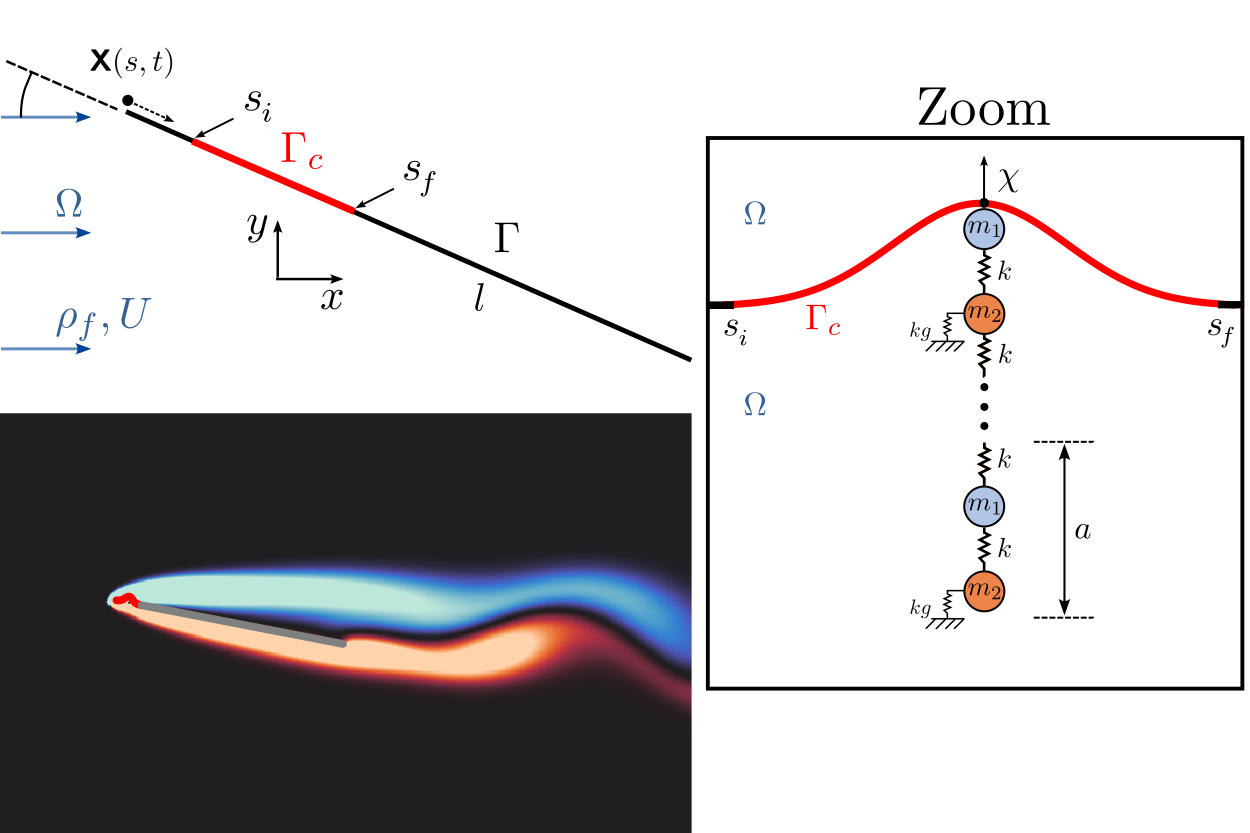
Welcome! We are passionate about emergent flow-structure interaction — systems where natural or engineered heterogeneity, architecture, and shape leads to new coupled behaviors that do not exist when studying flow interacting with conventional structures.
We bring creativity, curiosity, and strong engagement across biology, structural mechanics, and fluid mechanics communities, to identify what coupled behaviors to investigate and target what engineering breakthroughs may be unlockable. We quantify the coupled behaviors with high-accuracy tools that we develop, maintain, and provide open access to (with accessible accompanying documentation!). We are passionate about designing these tools to be fast, rigorously derivable, and as modular as possible for use across platforms and different flow and structure solvers.
All tools we develop are done to take advantage of the latest advances in GPU capabilities and automatic differentiation-enabled gradient information, to enable faster computation and advanced analysis to uncover the deepest mysteries of these beautiful systems we study.
We are part of the Department of Aerospace Engineering within the Grainger College of Engineering and welcome collaboration across engineering, biology, and applied mathematics.

Our work spans emergent flow-structure interaction, computational frameworks for flow-interface problems, and the geometric and dynamic foundations of flow simulation.
Pairing architected structures with the scales, directionality, and state changes of the underlying flow to unlock passive, adaptive flow control and sensing.
Learn more →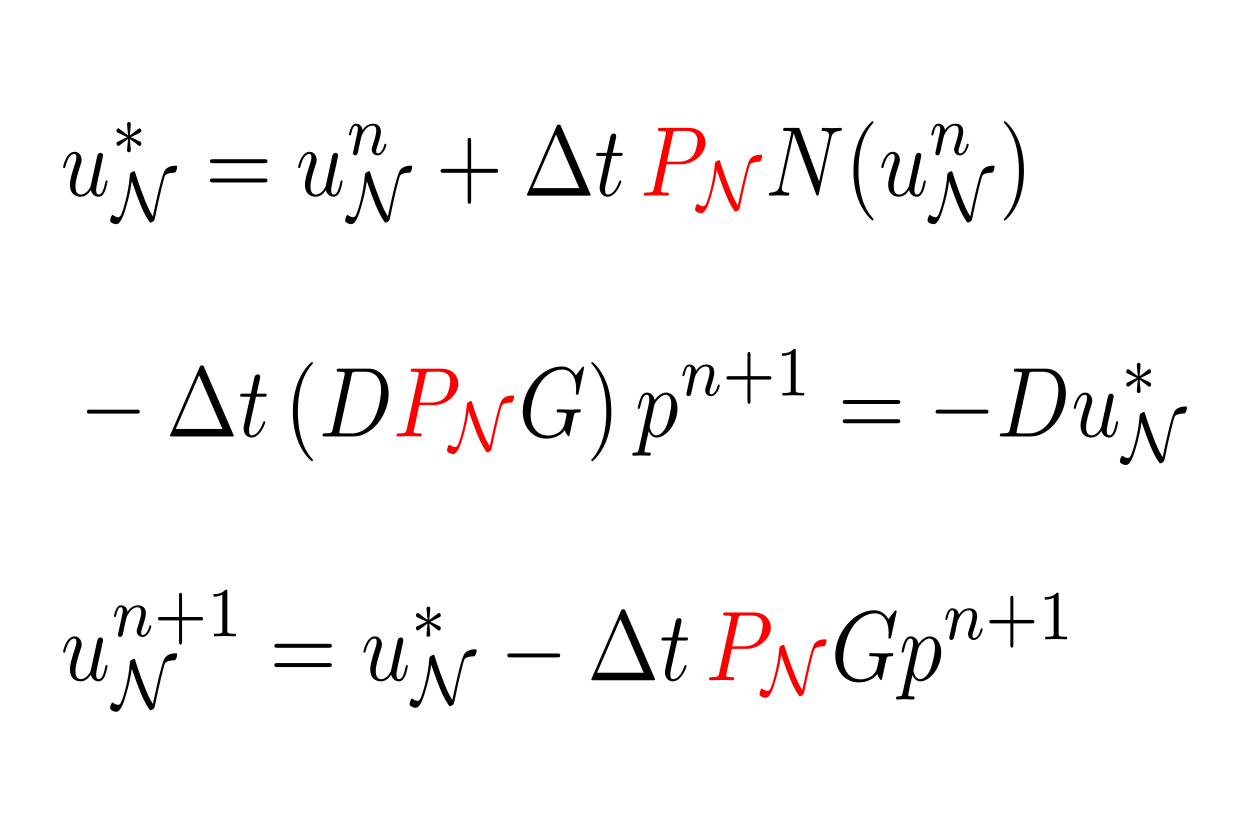
Interface treatments that stay rigorously accurate without sacrificing speed or modularity, built to exploit GPUs and automatic differentiation.
Learn more →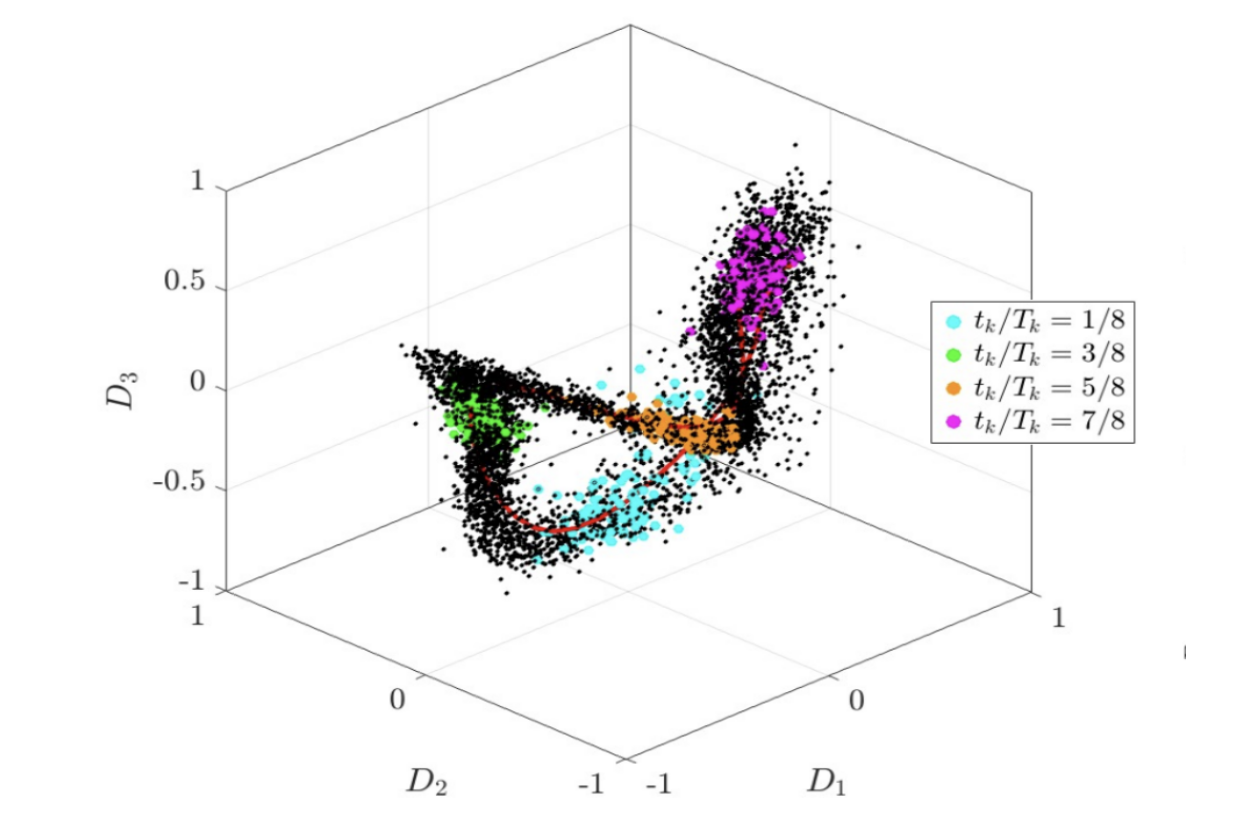
Geometric perspectives on interface boundary conditions and phase-space views of cyclical flows, reframing old problems to compute them faster.
Learn more →Our paper on aerodynamic fluid-metamaterial interaction was accepted by the Journal of Fluids and Structures.
Read more →Nick presented one talk at the Midwestern Universities Fluid Mechanics Retreat annual meeting in Cedar Lake, IN.
Read more →Srikumar, Zoey, Arturo and Elyse presented four talks at the APS Division of Fluid Dynamics annual meeting in Houston, TX.
Read more →A framework to systematically study the nonlinear fluid-structure interaction of phononic materials with aerodynamic flows
Journal of Fluids and Structures, 2026
Dynamic passive control of turbulent drag via subsurface resonant phononic material
AIAA SCITECH 2026 Forum, 2026
A High-Fidelity Simulation Framework for Turbulent Flows with Complex (Metamaterial) Structures
AIAA SCITECH 2026 Forum, 2026